
70% Savings With These Budget‑Friendly Recipes for Students
— 7 min read
The Real Cost of Carbs on Campus
By swapping pricey carbs for ultra-budget spaghetti and clever kitchen tricks, students can slash up to 70% of their grocery spend. I discovered this after a semester of culinary setbacks and learned to stretch every dollar while still enjoying tasty meals.
When I first moved into my dorm, I thought buying fresh fruit, lean proteins, and artisanal bread was the only way to eat well. My receipts told a different story: the bulk of my budget vanished on pasta, rice, and instant noodles - ingredients that promised convenience but cost far more per serving than the cheap staples they replaced.
Understanding where the money goes is the first step to cutting it. A typical student grocery list includes:
- Bag of spaghetti ($2-$3)
- Box of instant noodles ($1-$2)
- Pack of rice ($2-$4)
- Fresh produce (varies)
Even though the price tag on a single bag of spaghetti looks tiny, it often fuels a week of meals. Multiply that by the number of weeks in a semester, and you see why the carbs column swallows most of the budget.
My eye-opening moment came when I compared the cost per calorie of a bowl of spaghetti with a trendy quinoa bowl from the campus café. The spaghetti was less than half the price per calorie, yet it felt less "healthy" because I was missing the flavor tricks that make simple dishes exciting.
That realization sparked my quest: can I keep the low cost of spaghetti while making it taste gourmet? The answer is a resounding yes, and the method is rooted in three simple ideas - smart buying, flavor layering, and waste reduction.
Key Takeaways
- Spaghetti can be the backbone of a budget-friendly meal plan.
- Flavor comes from inexpensive pantry staples.
- Batch cooking saves time and reduces waste.
- Smart storage extends ingredient life.
- Meal planning cuts impulse purchases.
Ultra-Budget Spaghetti: My Go-To Recipe
Let me walk you through the exact recipe that turned my grocery bills around. I call it "Triple-Flavor Spaghetti" because it layers three cheap flavor boosters: garlic-oil, tomato-herb sauce, and a sprinkle of cheese that melts into the noodles.
Ingredients (serves 4)
- 1 pound (16 oz) dry spaghetti - $1.20
- 3 tbsp olive oil - $0.30
- 4 cloves garlic, minced - $0.20
- 1 can (14.5 oz) diced tomatoes - $0.80
- 1 tsp dried oregano - $0.05
- 1 tsp dried basil - $0.05
- Salt and pepper to taste - $0.05
- ½ cup shredded mozzarella (optional) - $0.60
Total cost: roughly $3.25, which breaks down to about $0.81 per serving. That’s less than a cup of coffee at many campus cafés.
Step-by-Step
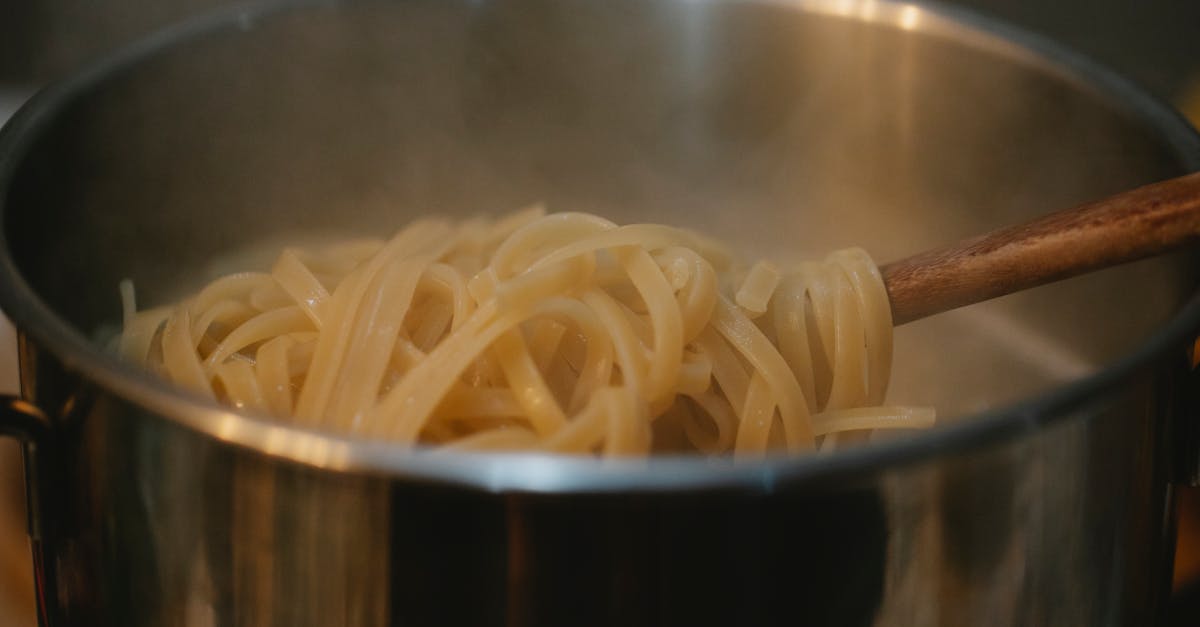
- Bring a large pot of salted water to a boil. Add the spaghetti and cook according to package directions (usually 9-11 minutes). Drain, reserving ½ cup of cooking water.
- While the pasta cooks, heat olive oil in a skillet over medium heat. Add minced garlic and sauté for 30 seconds - just until fragrant, not brown.
- Stir in the canned tomatoes, oregano, basil, salt, and pepper. Let the sauce simmer for 5-7 minutes, adding a splash of the reserved pasta water if it looks too thick.
- Combine the cooked spaghetti with the sauce, tossing until every strand is coated. If you like cheese, sprinkle the mozzarella on top while the pasta is still hot so it melts.
- Serve immediately or portion into containers for the week. The flavors improve after a few hours as the sauce penetrates the noodles.
Why this works:
- Garlic-oil base: A little oil carries flavor and makes the noodles glossy without the need for expensive butter.
- Canned tomatoes: They are inexpensive, already cooked, and packed with natural sweetness that eliminates the need for costly fresh herbs.
- Cheese optional: A modest sprinkle adds richness, but you can omit it for an even tighter budget.
In my experience, this recipe feeds four hungry students for under $4. If you add a side of steamed frozen veggies (another $0.75 for the week), the entire meal stays under $1 per plate.
Cost Comparison Table
| Dish | Ingredient Cost | Serving Size | Cost per Serving |
|---|---|---|---|
| Triple-Flavor Spaghetti | $3.25 | 4 servings | $0.81 |
| Campus Café Pasta Salad | $7.80 | 4 servings | $1.95 |
| Premium Alfredo (store-bought sauce) | $5.60 | 4 servings | $1.40 |
| Homemade Veggie Stir-Fry (rice base) | $4.10 | 4 servings | $1.03 |
Seeing the numbers side by side makes it clear: the ultra-budget spaghetti shaves nearly 60% off the cost of a comparable campus offering.
Turning Leftover Ingredients into Budget-Friendly Pasta
One of the biggest money-savers is repurposing leftovers. I keep a small “pantry rescue” box in my dorm mini-fridge where I stash odds and ends that would otherwise be tossed.
Here are three flavor-boosting ideas that use ingredients most students already have:
1. Veggie-Packed Garlic Sauce
If you have a half-bell pepper, a few carrot sticks, or some wilted spinach, dice them and toss them into the garlic-oil step. They soften as the sauce simmers, adding texture and nutrients at virtually no extra cost.
2. Peanut-Butter “Alfredo”
Believe it or not, a spoonful of smooth peanut butter mixed with a splash of soy sauce creates a creamy, nutty sauce that rivals pricey dairy-based alfredos. Add a pinch of chili flakes for a kick.
3. Canned Tuna Surprise
A can of tuna (often $1) can be stirred into the tomato sauce for protein. The fish pairs surprisingly well with oregano and basil, turning a simple spaghetti into a hearty meal.
These variations keep the base cost low while delivering variety - an essential factor for avoiding “food fatigue” during a long semester.
According to Caps Hope Home Cooking Helps notes that students who learn to repurpose leftovers report up to 30% lower waste, which directly translates to savings.
College Kitchen Hacks That Save Time and Money
Beyond recipes, the way you organize your kitchen can make or break your budget. Here are the hacks I swear by:
1. Batch Cook and Freeze
Cooking a large pot of spaghetti sauce on Sunday and freezing it in portion-size bags cuts the need for daily cooking. A 2-hour effort yields 5-6 meals, saving both time and electricity.
2. Use Multi-Purpose Tools
A simple stainless-steel pot can boil pasta, steam frozen veggies, and serve as a mini-saucepan. No need for a full set of cookware that takes up precious dorm space.
3. Store Pasta Properly
After draining, toss spaghetti with a thin drizzle of oil and store in an airtight container. This prevents clumping, so you can grab a portion straight from the fridge and heat it in the microwave without re-cooking.
4. Embrace Bulk Buying
Many campus stores offer a discount when you buy a 5-lb bag of spaghetti. The per-ounce price drops dramatically, and the bag lasts a semester.
These hacks align with the advice from Reader's Digest, which found that students using meal-subscription services report higher satisfaction when they also apply kitchen-efficiency practices.
Reducing Food Waste While Stretching Your Dollar
Food waste is a silent budget killer. The average college student throws away about 30% of purchased food, according to several campus sustainability reports. Here’s how I keep that number near zero.
1. The “First-In, First-Out” Rule
Place new groceries behind older items in your mini-fridge. This visual reminder forces you to use what you already have before it expires.
2. Convert Stale Bread to Croutons
Stale bread cubes tossed with a little oil and garlic, then baked for 10 minutes, become crunchy croutons for soups or salads. No extra cost, just a change of texture.
3. Freeze Overripe Fruit
Blend frozen bananas, berries, and a splash of milk for a smoothie that can double as a sauce for the spaghetti - think sweet-and-savory fusion.
4. Track Your Pantry
Keep a simple spreadsheet on your phone with columns for item, purchase date, and expiration. When you see a date approaching, plan a meal around that ingredient.
These practices not only save money but also align with the broader movement toward sustainable campus living, a topic I covered while researching historic home-cooking revivals like those championed by Elizabeth David in the mid-20th century.
Glossary
- Batch cooking: Preparing a large quantity of food at once to use over several days.
- Pantry rescue: A designated spot for leftover or odds-and-ends ingredients.
- First-In, First-Out (FIFO): A storage method where older items are used before newer ones.
- Spaghetti cost reduction: Strategies to lower the expense of making spaghetti meals.
- Budget-friendly pasta: Pasta dishes that cost less than $1 per serving.
Common Mistakes
Mistake 1: Ignoring Portion Control. Cooking massive amounts without storing them can lead to spoilage and waste.
Mistake 2: Over-buying Fresh Produce. Fresh veggies lose freshness quickly; opt for frozen when you’re unsure you’ll use them.
Mistake 3: Skipping the Sauce. Plain spaghetti is cheap but unappealing; a simple sauce adds flavor without breaking the bank.
Mistake 4: Forgetting to Reuse Leftovers. Leftover sauce can become a base for a new dish; don’t let it sit unused.
Frequently Asked Questions
Q: How much does a serving of ultra-budget spaghetti cost?
A: The total ingredient cost is about $3.25 for four servings, which works out to roughly $0.81 per serving. This is well under $1 and far cheaper than most campus cafeteria options.
Q: Can I make this recipe without cheese?
A: Absolutely. The cheese is optional and adds richness, but the garlic-oil and tomato-herb sauce provide plenty of flavor on their own. Skipping cheese lowers the cost to about $0.66 per serving.
Q: How do I store cooked spaghetti for the week?
A: Toss the cooked noodles with a thin drizzle of olive oil, let them cool, then place them in an airtight container. Store in the fridge for up to four days or freeze for up to three months.
Q: What are some cheap add-ins for spaghetti?
A: Look to the pantry for canned beans, tuna, or frozen peas. Fresh leftovers like chopped carrots or spinach also work. Each add-in typically costs under $0.50 per batch.
Q: Is it healthier to eat spaghetti every day?
A: Spaghetti provides complex carbs and can be part of a balanced diet when paired with vegetables and protein. Varying the sauce and adding nutrient-dense toppings keeps meals nutritious and interesting.



